Table of Contents

Types of Scaling in Cloud Computing
Understanding cloud scalability means diving into the three main ways your cloud setup can grow or shrink. Each method has its quirks and perks, depending on how your workload shifts and what your business demands. Let’s unpack these together.
- Vertical scaling - Think of it as giving your current server a power boost. Need more muscle? Add extra RAM or processing power without touching a single line of code. It’s like upgrading your car’s engine while keeping the same chassis. However, remember that servers have their limits, so pushing too hard might slow things down.
- Horizontal scaling - This one’s about teamwork. When one server just won’t cut it, you bring in more of them to share the load. Imagine a squad of servers working side by side, each ready to jump in when needed. It’s more complex since you manage several independent servers, but the sky’s the limit here - add as many as you want.
- Diagonal scaling - The hybrid approach. Start by beefing up a single server, and once it hits its ceiling, clone it to expand your fleet. This approach is perfect if your workload plays hard to get, swinging up and down unpredictably. It keeps you nimble, letting you scale vertically or horizontally as the situation demands.
There’s no one-size-fits-all answer when it comes to choosing the right scaling approach. It’s all about aligning with what your business needs today and what it might crave tomorrow. With Rabata’s secure cloud storage, strategic scaling ensures your data grows with you - smoothly, reliably, and without a hitch.
What Is Cloud Scalability?
Cloud scalability is the magic switch that lets your cloud setup grow or shrink on demand, matching your needs like a perfectly tailored suit. It’s what makes the cloud an absolute game-changer, helping businesses keep a tight grip on resources and costs without sweating over unpredictable spikes or lulls.
Imagine not having to undergo a massive, costly, and time-consuming remodel every time your workload changes. Unlike clunky on-premise systems that force you into a digital renovation every time demand shifts, cloud scalability lets you adjust your environment swiftly and without hassle.
With providers like Rabata’s secure cloud storage, the heavy lifting is already done. The infrastructure is set, and you simply dial up or down the number of servers and nodes to suit your project. This flexibility means you can chase your goals without waiting for hardware deliveries or IT milestones.
And when the rush dies down? No problem. You can scale back just as easily, sliding smoothly back to your usual setup without any downtime drama or extra charges lurking around the corner.
Cloud elasticity is a close sibling of scalability, both dancing around resource management, but with one key difference: timing. Elasticity is there for the quick saves - like sudden traffic spikes during a flash sale - flexing resources up and down in real time.
Scalability, meanwhile, plays the long game. It’s about strategic growth, expanding your cloud resources thoughtfully to keep pace with your business ambitions, not just reacting to momentary bursts.
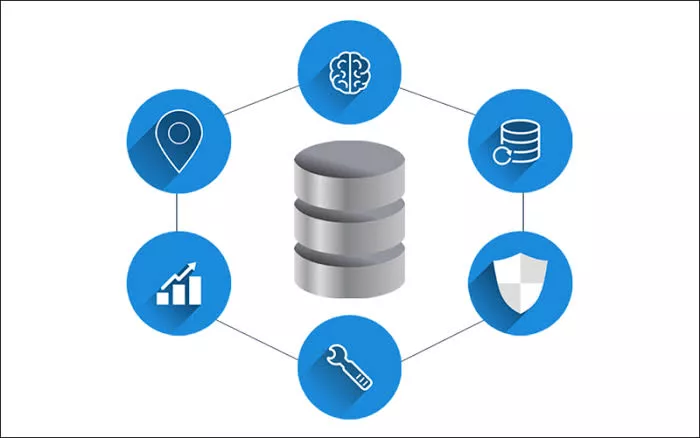
Blueprint for Scalability: Tackling Exponential Data Growth
In today’s fast-paced digital world, data grows faster than a rumor at the office. Every second, new files, records, and bits pour in, turning storage into a high-stakes game. For any business, keeping up isn’t optional - it’s critical. When your storage system can’t scale, you’re stuck hitting limits, watching performance drop, and shelling out big bucks for last-minute upgrades.
Rabata’s secure cloud storage was built with this in mind. It flexes effortlessly as your data swells, making sure you’re never fighting an uphill battle against capacity. Imagine a storage solution that grows with your needs, so you can focus on what matters - leveraging your data, not wrestling with it.
AI Revolution October 2025: How AI Agents, Security, and Investment Trends Are Reshaping Software Development
October 2025 didn't just roll in like any other month - it shook up the entire software development scene. Artificial intelligence took center stage, becoming the backbone for how teams dream up, safeguard, and expand their digital projects. No more coding in the dark without smart tools guiding the way.
The latest AI-powered agents are not just assistants; they're partners in creativity and security. They help catch bugs before they crash the party and spot security holes before hackers even think about them. Rabata’s secure cloud storage integrates these cutting-edge AI tools to keep your data protected while boosting your development speed.
Investors are pouring more resources into AI-driven solutions than ever. This flood of capital means faster innovation cycles and better tools for developers. Rabata stays ahead of this curve by offering a secure environment where all your AI-powered workflows sync effortlessly, ensuring you never miss a beat.
Challenges and Lessons Learned
Success stories are great, but no journey is without its bumps. When it comes to creating a secure cloud storage solution like Rabata, facing challenges is just part of the process. These obstacles aren’t just roadblocks - they’re valuable lessons that help us build something stronger and smarter. Taking notes from others’ experiences saves time and effort, turning trial and error into informed problem-solving.
One of the trickiest parts is optimizing queries for a system spread across the globe. It sounds simple, but making sure data flows efficiently in a distributed architecture is where many hit a wall. Performance can suffer if the queries aren’t streamlined, and that’s a headache no one wants to deal with.
Another hurdle is handling the complex nature of a globally distributed database. Different regions, varied data regulations, network inconsistencies - it’s a maze. Managing this complexity requires sharp strategies and a solid infrastructure. Rabata’s journey through these challenges shows that with the right approach, even the most tangled problems can be unraveled.
- Optimizing queries for distributed architectures.
- Managing the different complexities of a globally distributed database.
How does cloud storage work?
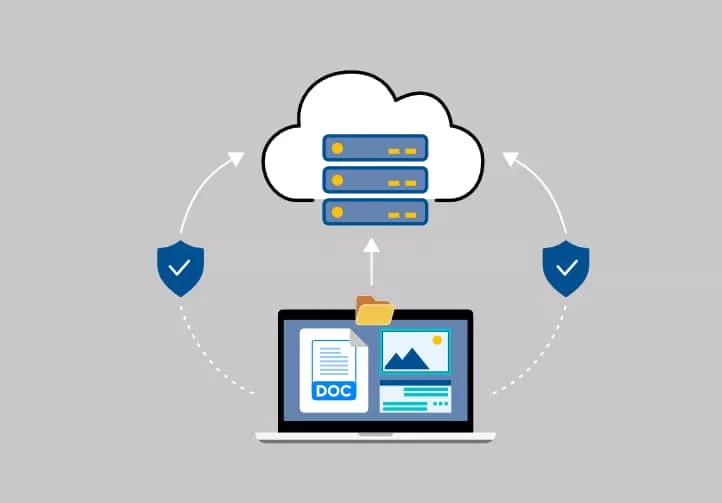
Cloud storage exists because giant data centers scattered around the globe do the heavy lifting. These data centers belong to cloud service providers who juggle capacity, security, and durability like pros, so your data stays safe and accessible. When you think about cloud storage, picture a vast network of storage hubs managed by experts who ensure everything runs smoothly, all for a price that feels as flexible as a yoga instructor - pay-as-you-go.
Connecting to this cloud isn’t a secret handshake or encrypted decoder ring. Usually, you get in through the internet or sometimes a dedicated private line. Whether it’s via a sleek web portal, a good old website, or a handy mobile app, the goal stays the same: quick and easy access to your data whenever you need it.
Handing over your data storage to a service like Rabata means trusting them with capacity planning, security measures, uptime reliability, server maintenance, computing power, and network performance. They handle all that heavy backend stuff so your applications can fetch and store data without breaking a sweat.
Accessing the cloud storage is straightforward. Your applications talk to the storage either using familiar storage protocols or by calling out to an API. Beyond just storing data, Rabata and similar providers often toss in clever tools that help you gather, manage, secure, and even analyze massive amounts of data - kind of like having a data wizard on standby.


Comments